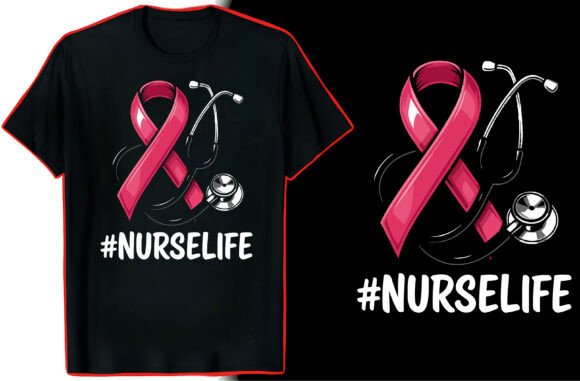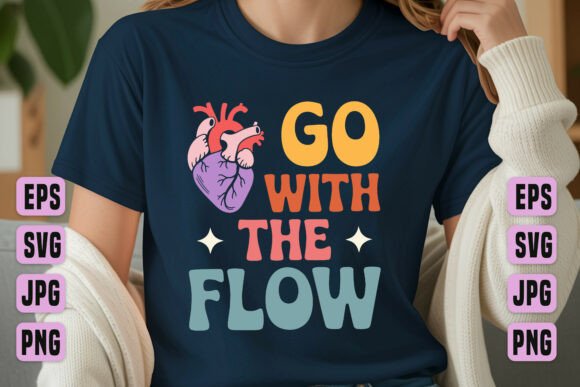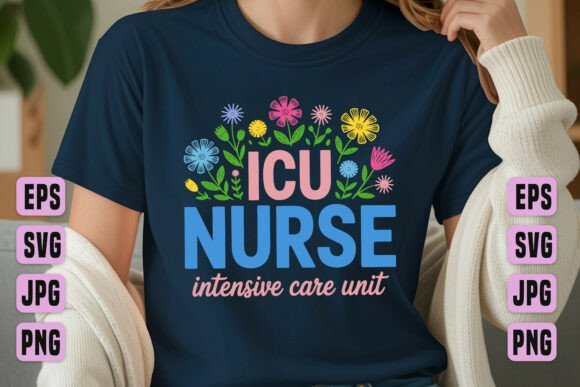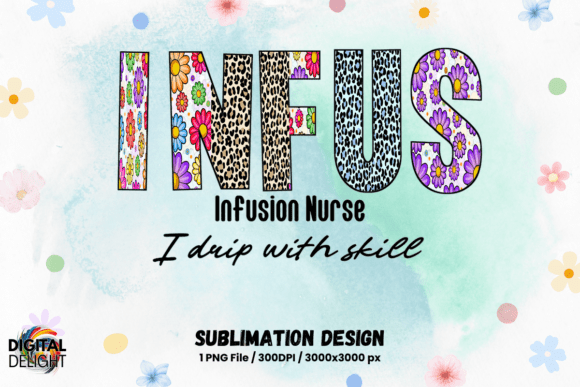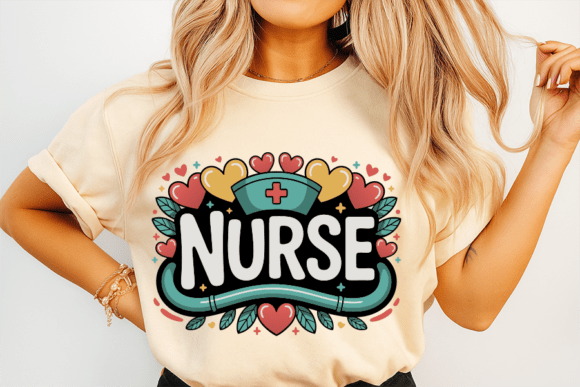
Nurse Design with Hearts and Decorations
A Warm, Timeless Silhouette—But Does It Stitch Cleanly?
First impression? This Nurse Design with Hearts and Decorations lands softly—not loud, not trendy, but quietly confident. The classic nurse hat, gentle curve of the shoulders, and scattered hearts suggest care, tradition, and quiet strength. It’s not a cartoon; it’s not hyper-realistic either. It sits in that sweet spot many crafters love: recognizable at a glance, friendly enough for baby onesies, dignified enough for a boutique apron or hospital staff gift. As a machine embroidery design, its charm is in its restraint—no tiny eyelashes, no intricate lace trim, no overlapping layers that beg for applique. That simplicity is both its strength and its first test.
Where It Shines: Real Projects, Real Fabric
I recently prepped this design for a custom embroidered tote bag—intended as a thank-you gift for a pediatric nurse friend. We used medium-weight canvas, tear-away + cut-away stabilizer combo, and standard 40-weight rayon thread. The result? Crisp satin-stitched outlines held beautifully, the heart accents filled cleanly with low-density fill stitch, and the overall shape read clearly from three feet away. That’s where Nurse Design with Hearts and Decorations earns its keep: on structured, stable surfaces. It works just as well on sweatshirt embroidery (especially front-chest placement), pillow covers for nursery decor, tea towels for a healthcare-themed kitchen line, or even small embroidered patches sewn onto scrubs pockets.
For Etsy sellers and small shop owners, this design fits neatly into seasonal and evergreen niches—think “Nurses Week,” baby showers for nurse parents, graduation gifts, or heartfelt holiday embroidery. It reads well in printable mockups too, lending itself to clean digital product previews without needing heavy retouching.
Where to Pause—and Test First
Don’t assume it’s foolproof across all substrates. On thin cotton t-shirts? The hearts and fine interior lines can blur if stitch density isn’t adjusted downward. On stretchy fabric like jersey or lightweight knits? You’ll need stronger stabilizer and possibly reduced pull compensation—those curved edges want to pucker. Dark fabric demands careful thread color contrast: light pinks or creams may vanish unless you add an underlay or switch to brighter pastels. And on curved surfaces—like caps or baby beanies—the topmost heart or hat brim may distort slightly without proper hooping technique and digitizing tweaks.
Also worth noting: while it’s labeled as a T-Shirt Designs asset, its vector roots mean it scales well—but embroidery files don’t scale like graphics. If you’re adapting it for very small hoop sizes (under 3” x 3”), inspect the smallest hearts and facial outline closely. Tiny details often collapse into dense, muddy fill stitch without manual cleanup.
What It Adds—Beyond the Stitch
This isn’t just decoration—it’s emotional shorthand. Customers recognize compassion, dedication, and warmth in seconds. That builds trust faster than text-heavy designs. For handmade product sellers, Nurse Design with Hearts and Decorations elevates perceived value: it feels intentional, not generic. On a personalized gift—say, a linen pillow cover stitched with a nurse’s name below the image—it reads as thoughtful, not mass-produced. For boutique branding, it pairs cleanly with serif or soft sans-serif fonts, supporting cohesive design assets without competing.
It also avoids visual fatigue. Unlike busy clipart-style graphics, this design breathes. That matters for repeat-use items—like embroidered kitchen towels or reusable totes—that live in plain sight daily. It stays fresh, not frantic.
Practical Designer Notes Before You Stitch
Before committing to your first finished product:
- Test on scrap fabric first—especially if using textured fabrics like terry cloth or linen-look canvas.
- Check thread color contrast on both light and dark backgrounds. A single mockup won’t tell the full story.
- Review stitch density in the heart clusters and nurse silhouette. Overly dense fills trap moisture and stiffen fabric—critical for baby embroidery or wearable apparel.
- Confirm hoop size compatibility. If your machine has tight hoop limits, verify the design fits without auto-resizing.
- Inspect small details in your embroidery software: are inner curves smooth? Do any running stitch elements look fragile?
- Try black-and-white mockups—they expose clarity issues invisible in color previews.
- Use proper stabilizer: medium cut-away for knits, tear-away for stable wovens, and fusible for lightweight linens.
- Verify licensing before selling finished items or bundling the digital embroidery file. Not all Graphics assets permit commercial embroidery use out of the box.
Final Thought: A Quiet Workhorse, Not a Flashy Trend
Nurse Design with Hearts and Decorations won’t go viral on social media—but it will sell steadily at craft fairs, earn repeat orders from nurse-led small businesses, and show up thoughtfully on graduation gifts, baby blankets, and staff appreciation bundles. It’s the kind of embroidery file that disappears into the product just right: supportive, sincere, and stitched with intention. If your craft business values reliability over novelty, this one belongs in your working library—not just your inspiration folder.